



Why International Brands Choose Vietnam for Fashion Manufacturing
From Premium Lines to Complex Designs
Vietnam has emerged as one of the most reliable fashion manufacturing hubs in the world. From premium product lines to technically complex designs, an increasing number of international brands are choosing Vietnam, not only for its production capabilities, but also for its precision, flexibility, and long-term reliability.
So what makes Vietnam a strategic choice in the global fashion manufacturing industry?

- Skilled Workforce with Strong Technical Foundation
Vietnam’s garment industry is built on decades of experience, supported by a well-trained workforce capable of handling a wide range of products from basic items to complex constructions.
Factories in Vietnam stand out for:
- Clean stitching and high consistency
- Ability to execute detailed designs
- Strong understanding of export quality standards
This is especially critical for products such as denim, outerwear, and structured garments, where precision directly defines the final quality.

- Capability to Handle Complex Products
Not every factory can manage technically demanding designs. Vietnam, however, has built a strong reputation for handling complex orders with consistent quality.
These include:
- Embroidery, printing, and detailed treatments, including small-scale logos
- Washed denim with precise and repeatable finishing effects
- Multi-layer or mixed-material garments
- Small-batch premium collections
The attention to detail and meticulous approach of the workforce ensure that the integrity of each design is maintained in every product.
- Competitive Positioning in the Global Market
Vietnam is not the cheapest manufacturing market. However, when considering the balance between cost and quality, it remains one of the most competitive options globally.
This allows brands to:
- Manage costs effectively while maintaining high quality
- Deliver products with a premium feel
- Scale production without compromising consistency
Pricing in Vietnam reflects true value - where cost aligns with capability and reliability.

- Compliance with International Standards and Transparency
Today’s international brands require more than just good products, they need partners who meet global standards.
Manufacturers in Vietnam increasingly:
- Comply with social responsibility standards
- Meet environmental standards such as OEKO -TEX ..
- Maintain transparency throughout the production process
This creates a strong foundation for long-term partnerships.
- Strategic Location and Supply Chain Advantages
Vietnam benefits from a strategic position within the regional supply chain:
- Close proximity to major fabric sourcing hubs in Asia
- Participation in multiple Free Trade Agreements (FTAs)
- Direct access to international shipping routes
As a result, production timelines and delivery are optimized, enabling brands to respond more quickly to market demands.

- A Long-Term Manufacturing Partner, Not Just a Supplier
Factories in Vietnam are increasingly valued not only for their production capabilities, but also for their working approach:
- Clear and professional communication
- Flexibility in order quantities
- Willingness to grow alongside brand partners
Rather than acting solely as suppliers, many factories take on the role of production partners, supporting brands from sample development to final delivery.
- Stable Production Environment and High Ethical Standards
Vietnam is considered a safe and reliable destination for long-term manufacturing thanks to:
- A stable political environment
- A young, dynamic, intelligent, and creative workforce
- Consistently high skill levels across the labor force
- Strong attention to detail and craftsmanship
Importantly, the manufacturing industry in Vietnam places increasing emphasis on ethical standards:
- No use of under-18 labor
- No forced labor practices
- Safe and fair working conditions, including for female workers
In addition:
- Quality control (QC) systems are well-developed and strictly implemented
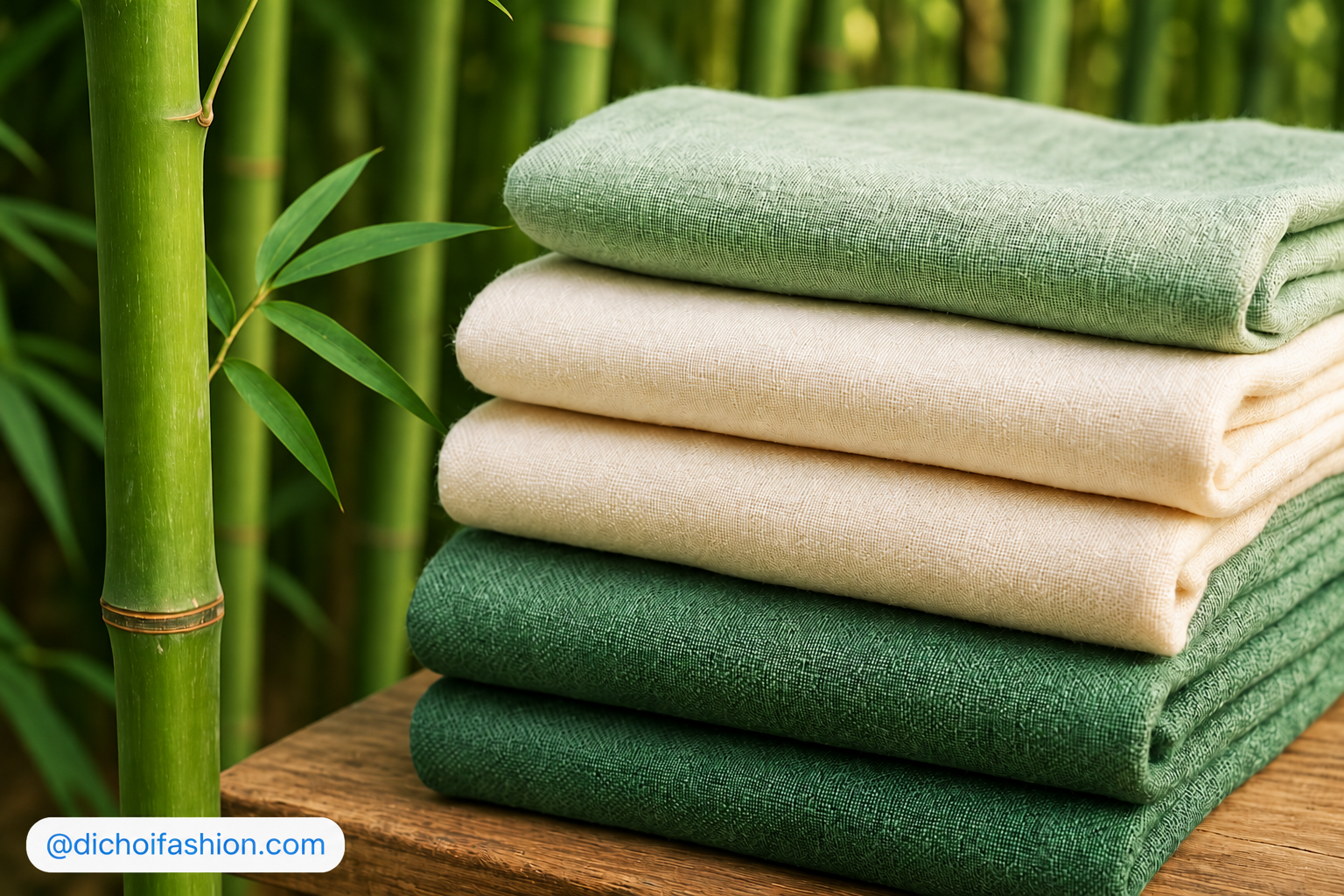
- Sustainable materials, including organic fabrics, are increasingly available
- Proximity to seaports supports efficient export operations
All of these factors reinforce international confidence:
“Made in Vietnam” represents not only high quality, but also ethical and responsible production.
Conclusion
Vietnam is no longer an alternative option, it has become a strategic choice in global fashion manufacturing.
For brands that demand high standards in quality, consistency, flexibility, and ethics, Vietnam continues to demonstrate its ability to deliver across all levels, from premium product lines to technically complex designs.

From the tranquil lotus ponds of Vietnam, the flower rises — pure, proud, and resilient.
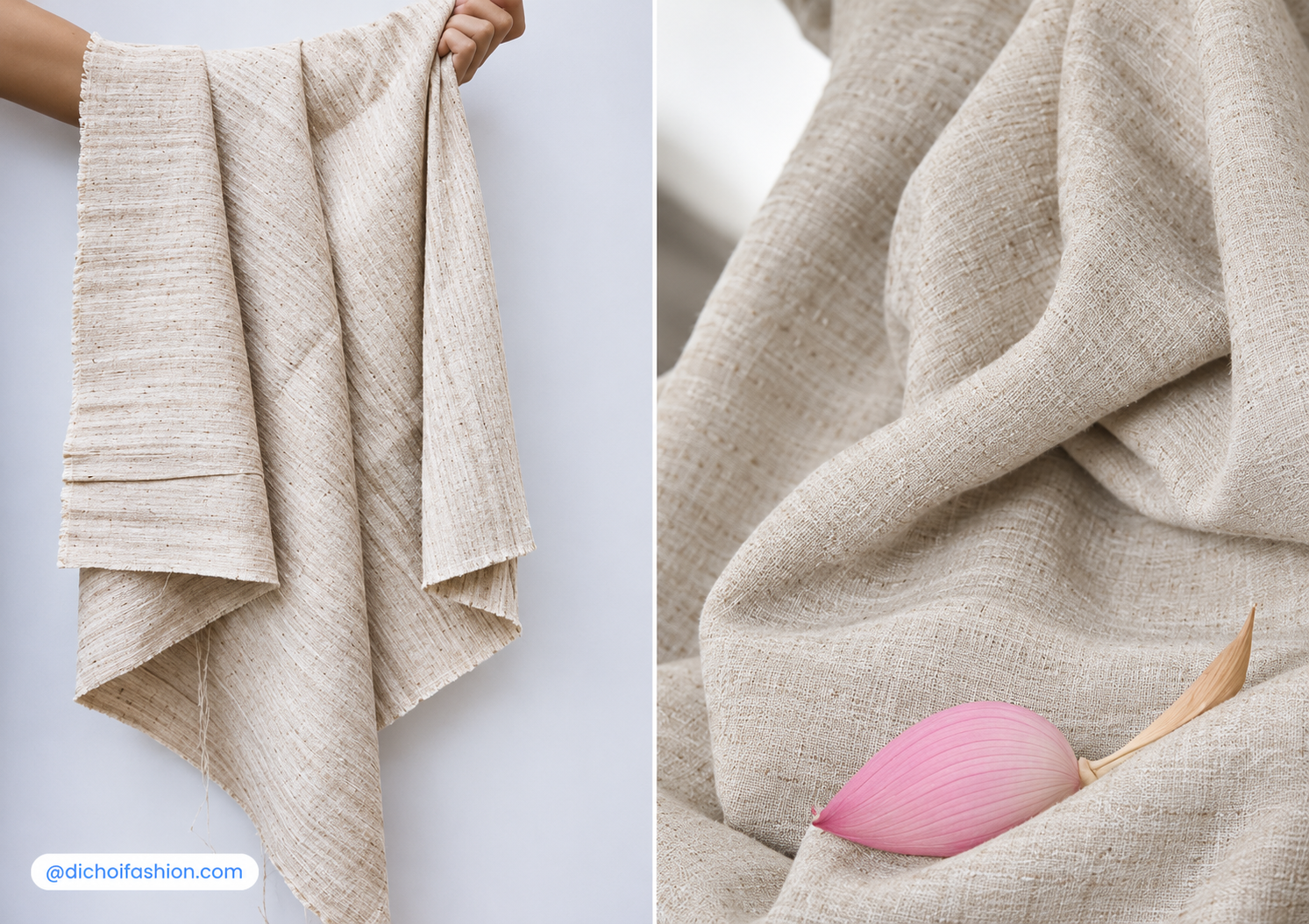
Today, its stem gives life to one of the world’s rarest and most sustainable textiles: Vietnam Lotus Fibre.

Lotus is grown widely in Đồng Tháp, Huế, Ninh Bình, and An Giang, where tropical climate and natural water sources help the stems grow thick, strong, and silky.
The stems are harvested at 45–60 days old, when the inner core is soft, elastic, and retains perfect moisture for fibre extraction.
Each stem is split lengthwise and gently pulled to reveal fine silk-like threads.
The entire process is done completely by hand, without any chemicals or dyes.
It takes around 4,000 lotus stems and 10–12 working days to produce just one meter of pure lotus fabric.
• Softer than silk, lighter than cotton.
• Breathable, naturally antibacterial, and 100% biodegradable.
• Naturally ivory, undyed, and environmentally friendly.
Vietnam Lotus Fabric is more than just a material — it’s a story of culture, craftsmanship, and sustainable spirit.
A natural heritage reborn in modern fashion, now used in products like organic sleepwear, scarves, and resortwear.
Contact Dichoi to start your next collection with Vietnam’s signature organic lotus fabric.
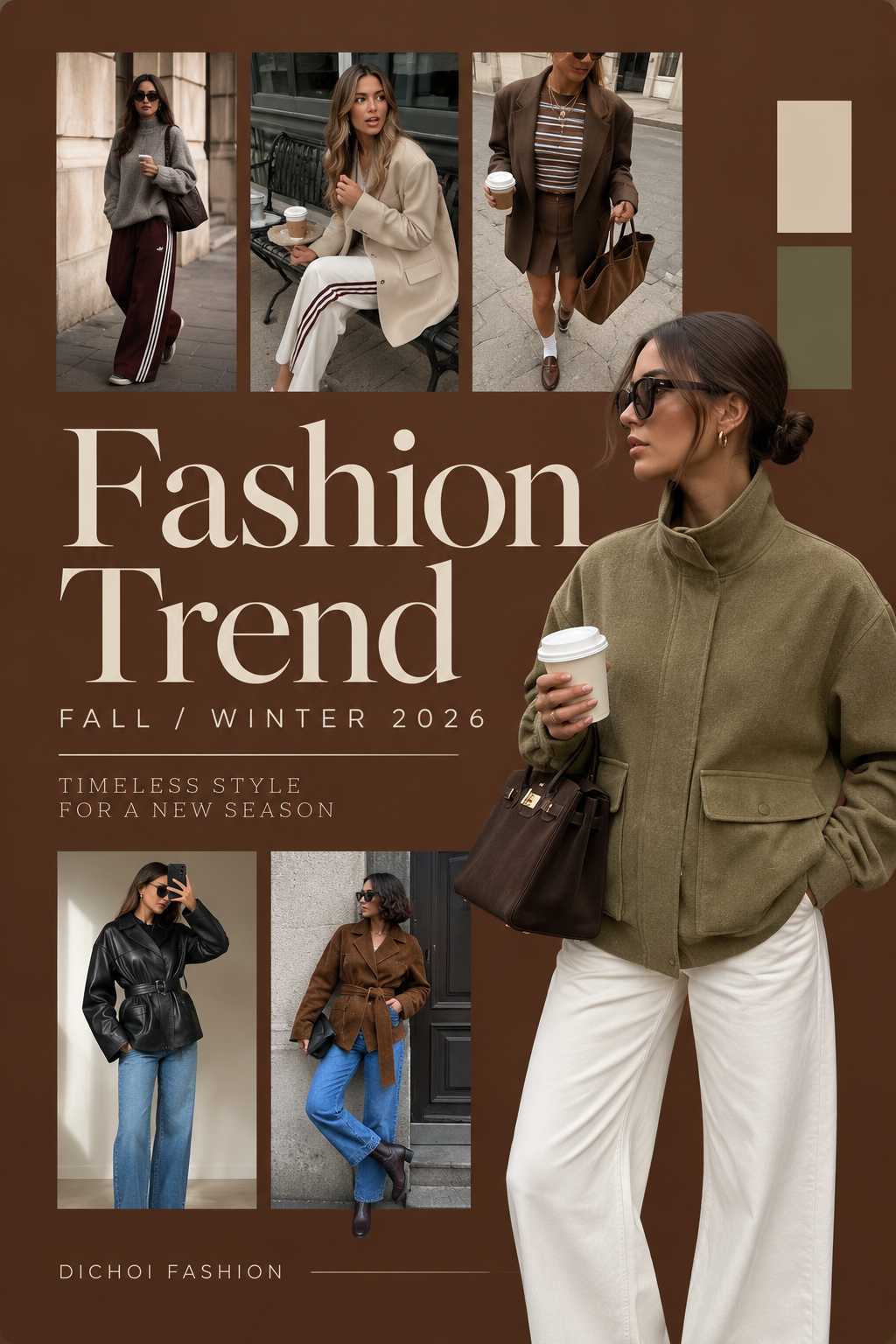
As the weather becomes cooler, Fall/Winter 2026 brings fresh inspiration to the fashion world. This season, fashion is not about complicated or bold designs. Instead, it focuses on natural beauty, elegance, and simple details that help everyone express their personal style. From soft cuts and smooth fabrics to beautiful colors, here are 7 Fall/Winter 2026 fashion trends worth exploring.
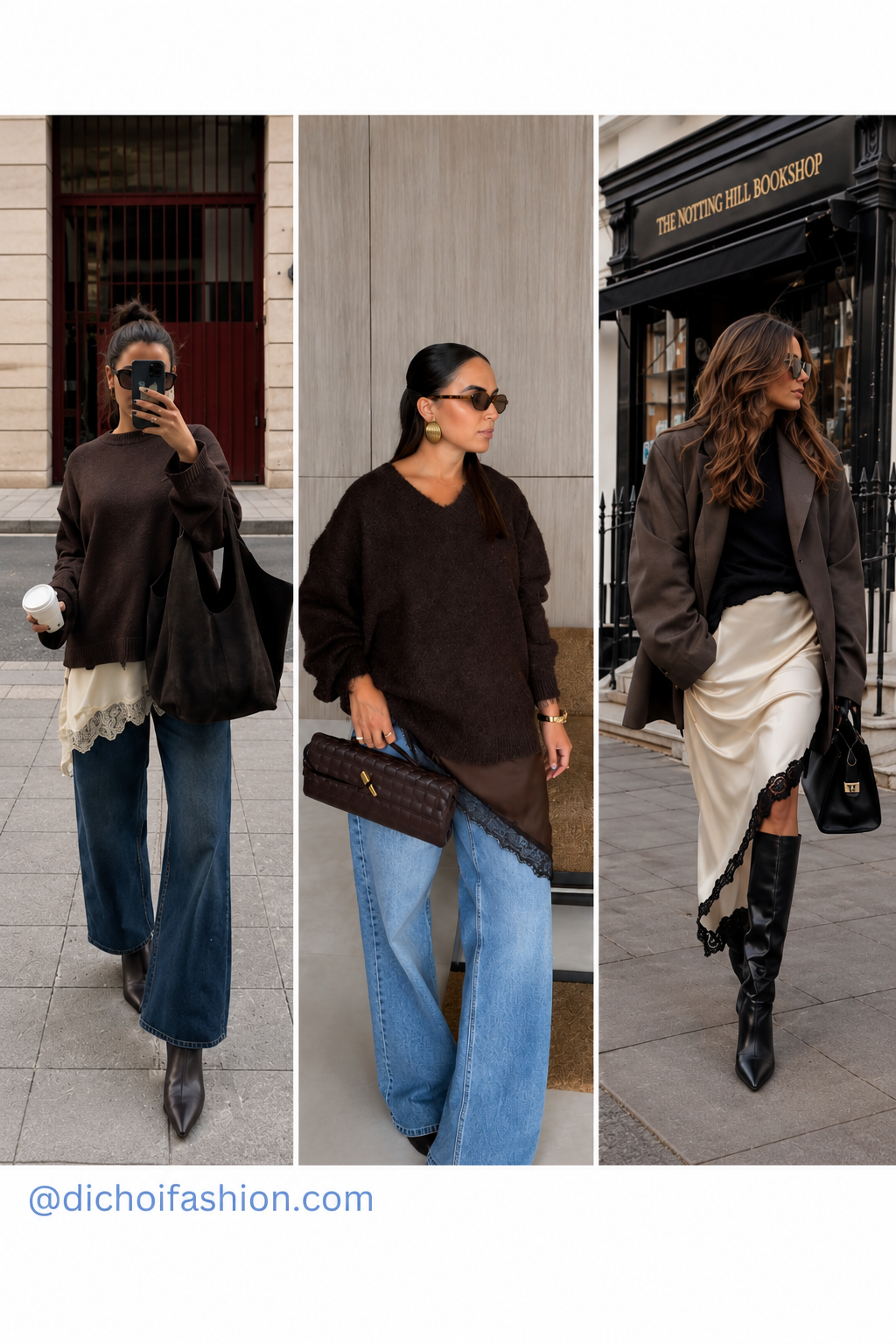
1. Asymmetric Details Create a Unique and Elegant Look
Off shoulder designs, diagonal cuts, and carefully placed buttons bring a fresh touch to familiar outfits. Without being too bold, asymmetric details add a soft and attractive look to everyday fashion. A simple off shoulder sweater or a skirt with an uneven hem can create an elegant outfit without the need for too many accessories.
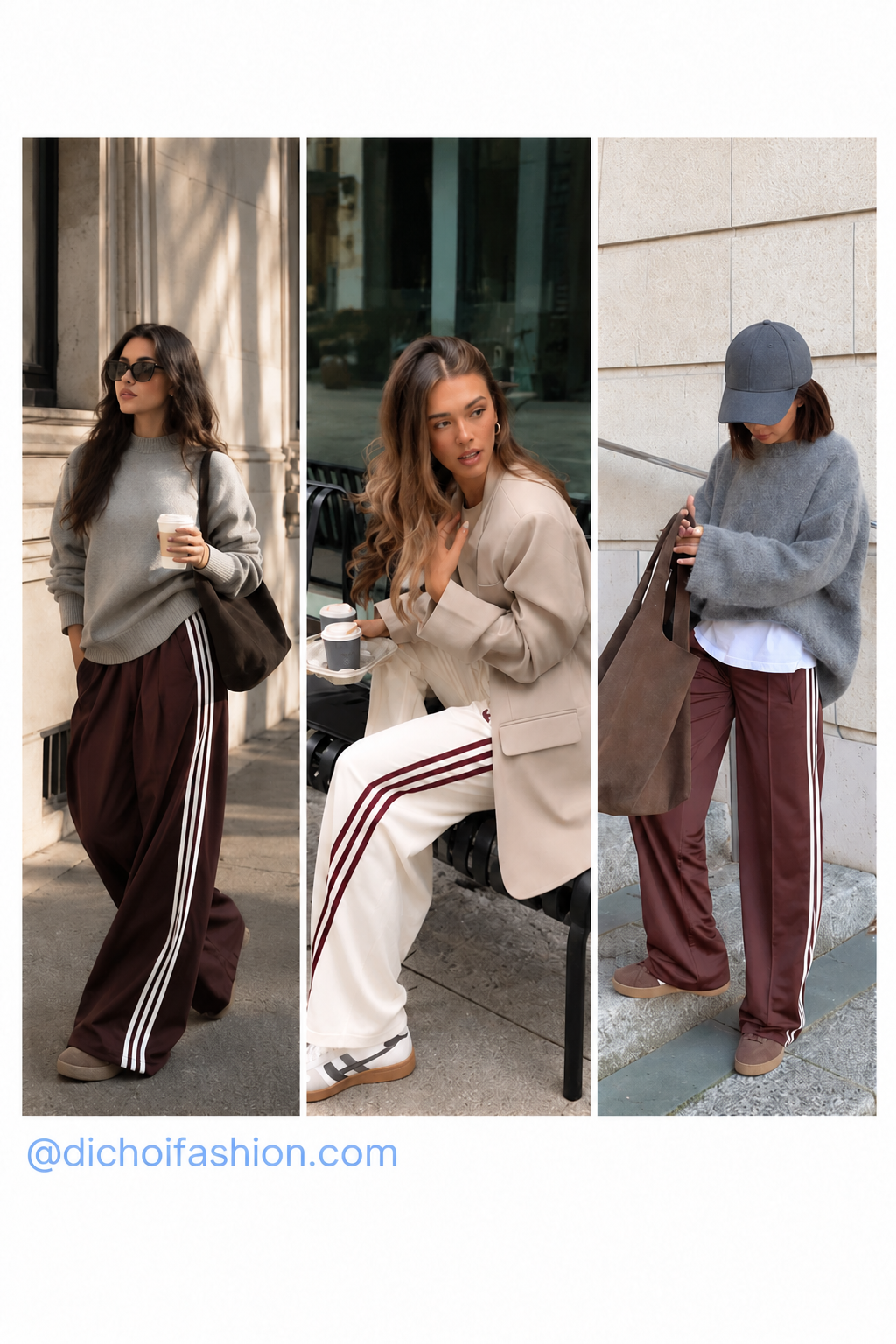
2. Track Pants Bring Comfort and Modern Style
Track pants are no longer just for sports or casual activities. They are becoming a popular choice for everyday fashion. With their relaxed fit and soft fabrics, track pants can be easily styled with oversized sweaters, blazers, or loafers. This combination creates a youthful, comfortable, and stylish look while keeping the outfit neat and modern.
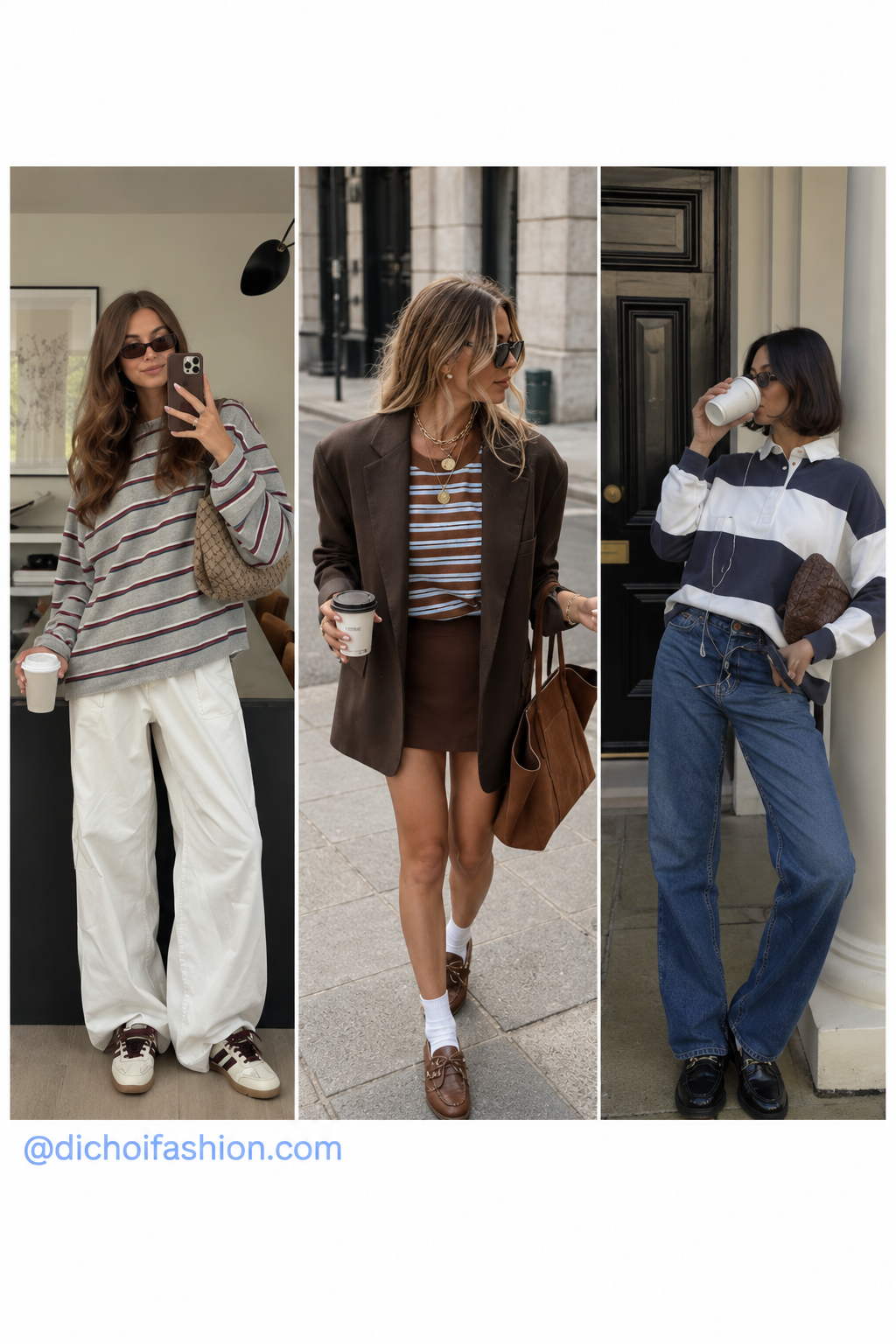
3. Bold Stripes Add Personality to Everyday Outfits
Classic stripes return in Fall/Winter 2026 with a fresh and modern appearance. Wide stripes, contrasting colors, and striped sweaters, cardigans, or polo shirts bring together classic charm and modern style. For a balanced outfit, striped pieces can be paired with jeans, skirts, or neutral colors. This simple combination creates a fashionable look without too much effort.
4. Satin and Silk Bring Softness and Elegance
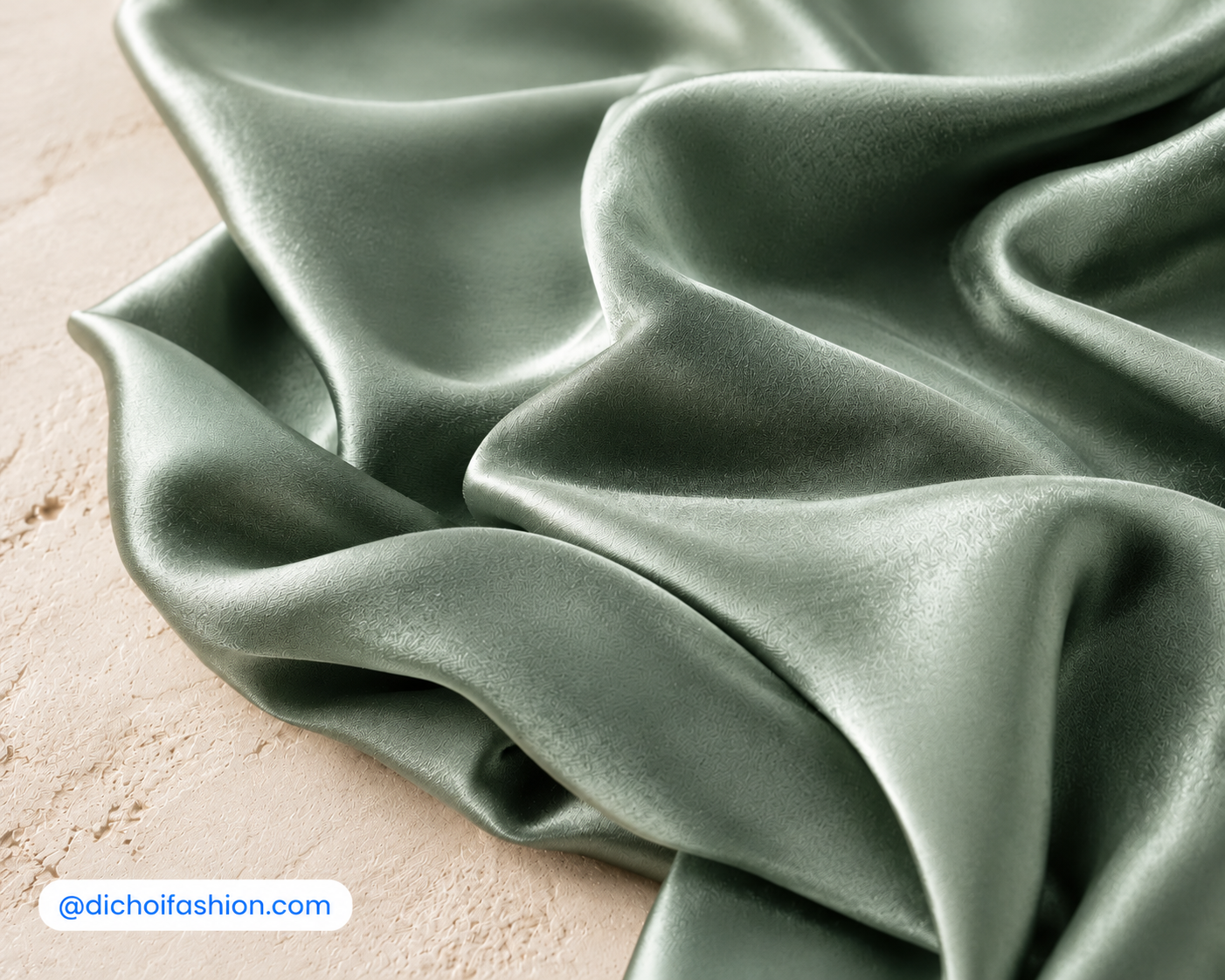
Satin and silk continue to be popular choices for the colder season, bringing a soft and feminine touch to fashion. These fabrics are no longer limited to elegant dresses. They also appear in shirts, wide leg trousers, and everyday outfits. Combining smooth satin with warm sweaters or suede jackets creates an interesting contrast. The result is a comfortable, elegant, and naturally luxurious look.
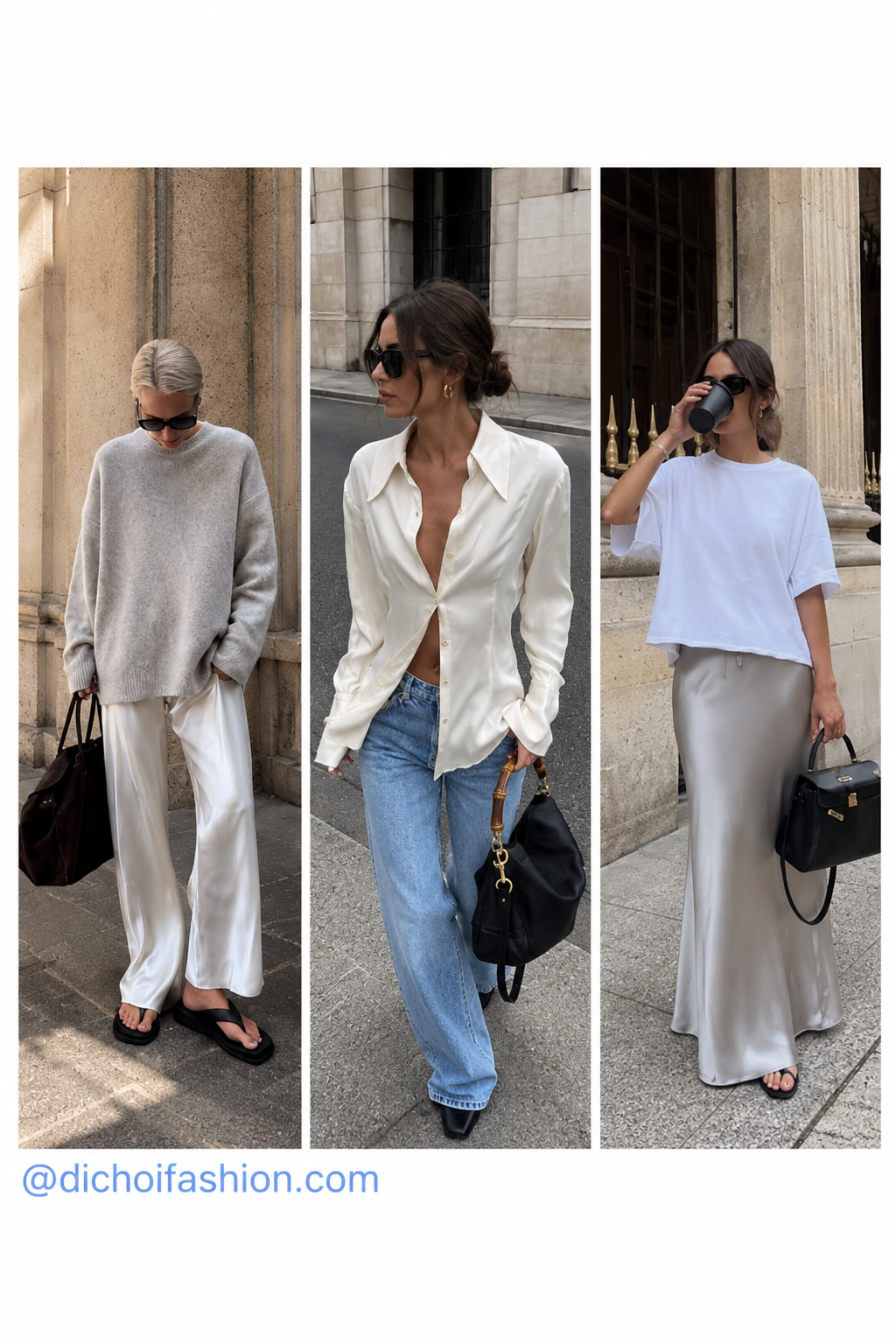
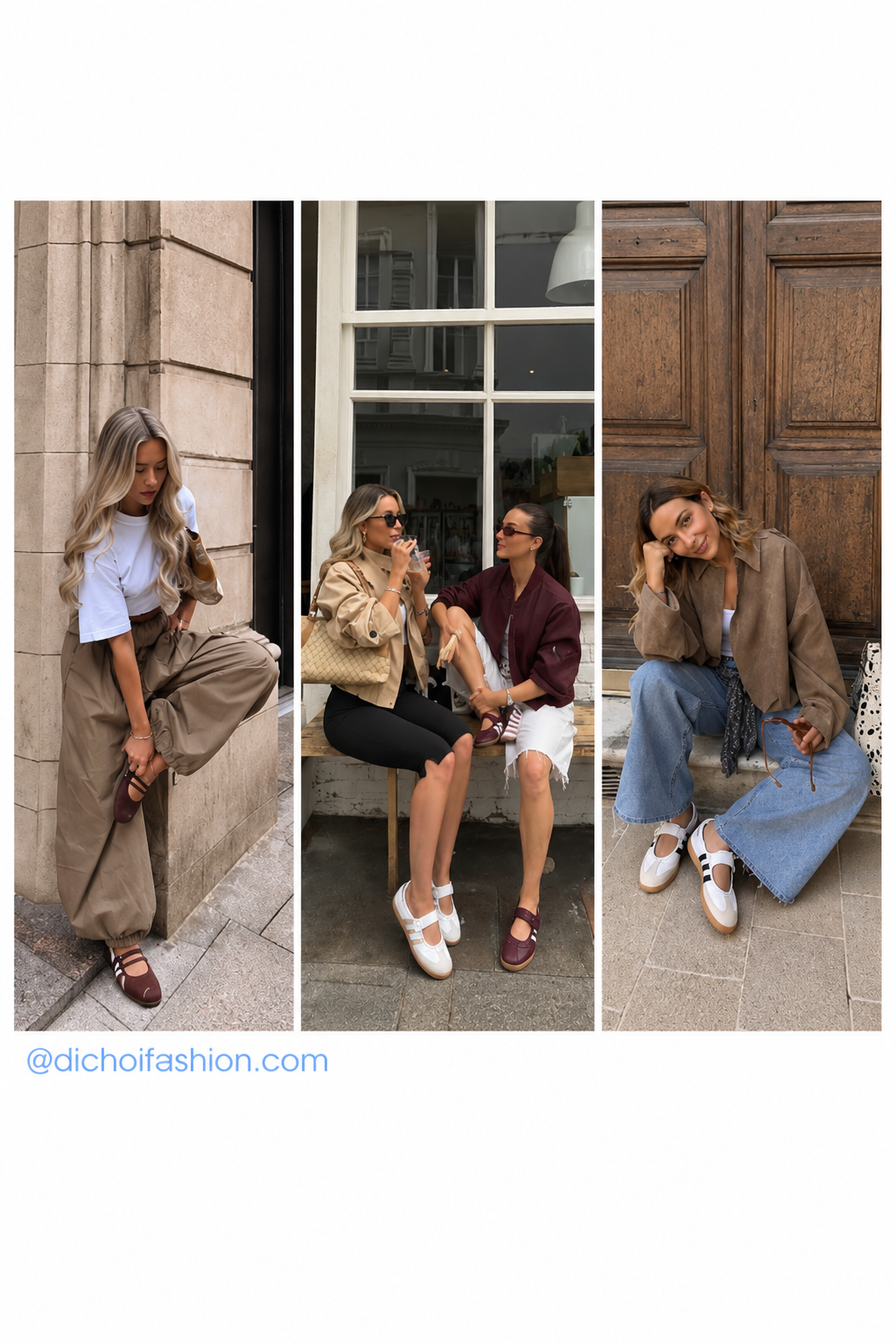
5. Ballet Sneakers Combine Feminine Beauty and Comfort
Inspired by ballet shoes and sneakers, ballet sneakers offer a fresh footwear choice for Fall/Winter 2026. With their slim shape, flat soles, and soft strap details, these shoes can be easily paired with jeans, skirts, or casual outfits. They combine a gentle, feminine touch with a sporty feeling, creating a youthful and attractive style.
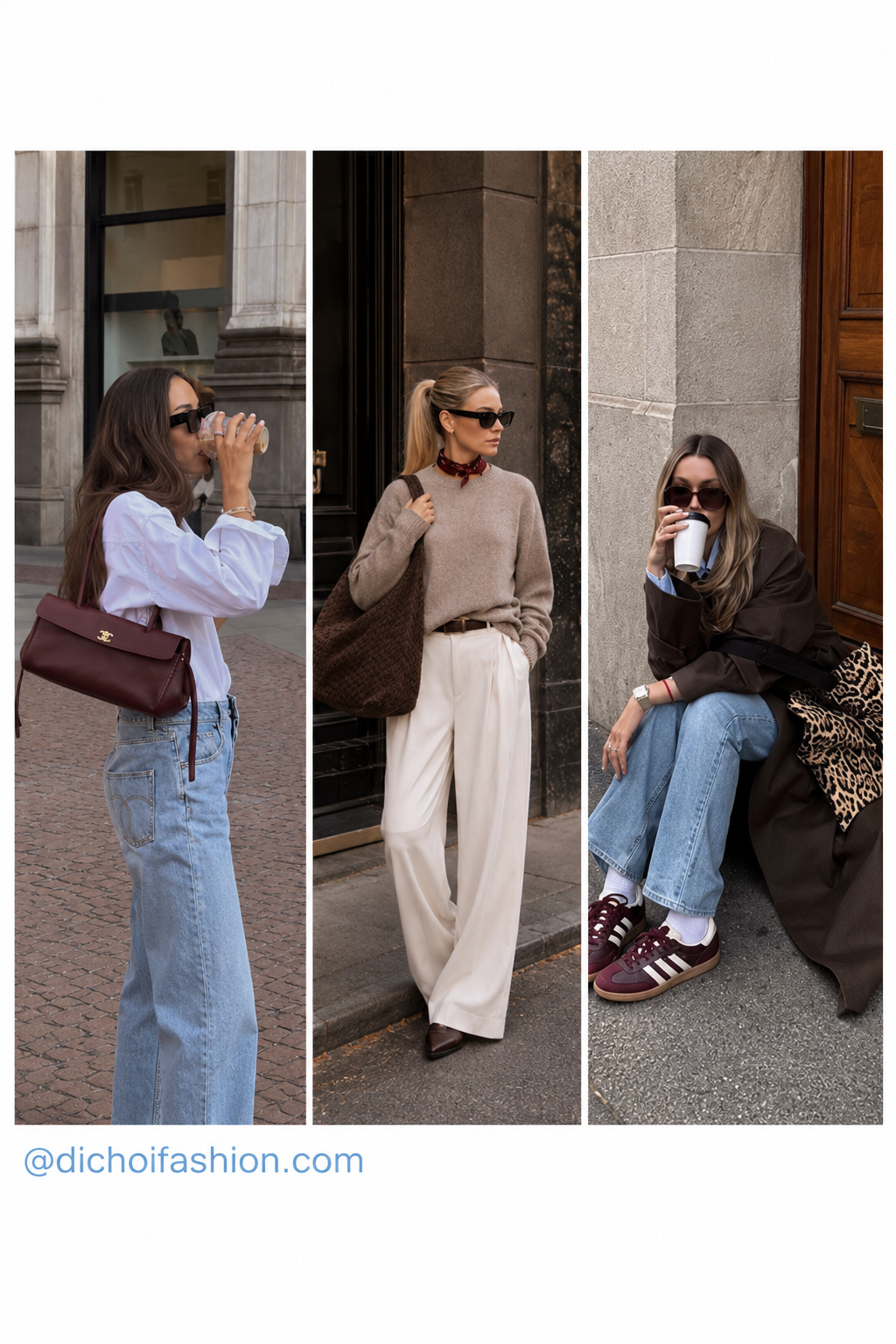
6. Cherry Red Brings Fresh Energy to Fall/Winter Fashion
Along with the warm and neutral colors often seen in colder seasons, cherry red becomes a beautiful highlight for Fall/Winter 2026. There is no need to wear a completely bright outfit. A cherry red handbag, a pair of shoes, or a scarf can make a simple look more interesting. When combined with chocolate brown, cream, dark gray, or denim, this color creates a warm and modern appearance.
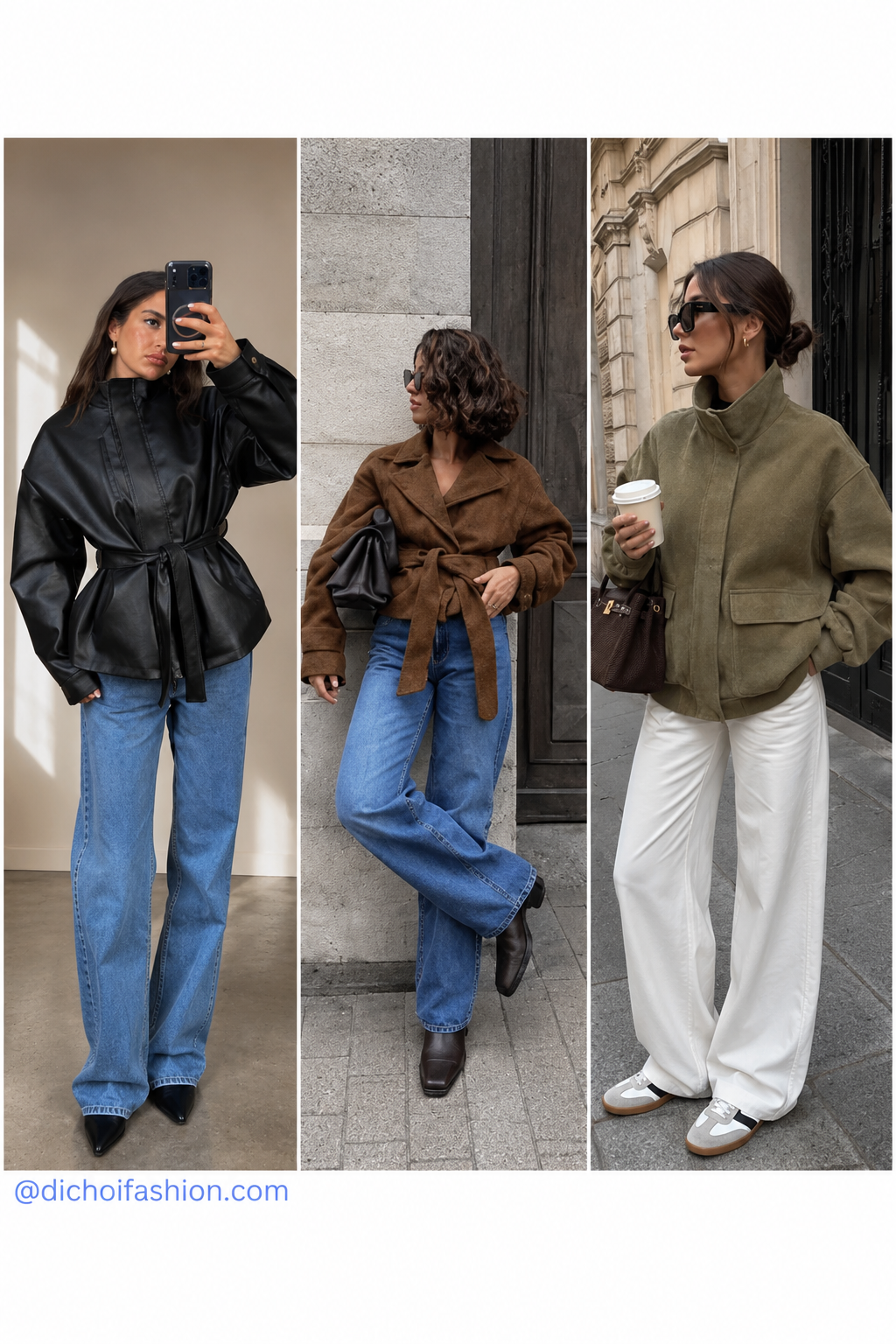
7. Structured Jackets Create a Clean and Elegant Look
After several seasons of oversized fashion, Fall/Winter 2026 welcomes jackets with cleaner shapes and more defined designs. High collars, soft lines that follow the body, and gentle waist details help create a beautiful shape while keeping the outfit comfortable. These jackets are easy to wear with different layers and bring a neat, elegant look to cooler days.
Conclusion
If you are a retailer, fashion brand, or distributor looking for a reliable manufacturing partner to develop your Fall/Winter 2026 collections, Dichoi Fashion is a trusted choice.
We offer flexible OEM/ODM services, supporting you from design and sample development to large-scale production, with a capacity of over 10,000 products per month.
At Dichoi Fashion, our design and technical teams always follow the latest Fall/Winter 2026 fashion trends. We pay close attention to every detail, fabric, and product quality to create fashionable products that meet international standards.

Nowadays, “eco-friendly” is no longer just a passing trend – it has become a conscious lifestyle. From reusable bags, bamboo straws to organic food, people are shifting toward sustainable choices to protect both their health and the planet.
Fashion is no exception. Consumers are now paying closer attention to natural fabrics and sustainable production processes, especially for sleepwear, which directly touches the skin for one-third of our lives.
Why is organic sleepwear important?
Nighttime is when your body recovers and regenerates. Since sleepwear touches your skin for 6–8 hours, fabric quality is crucial. Organic fabrics – like organic cotton, bamboo, or Tencel – are grown and processed without harmful chemicals, making them safe for your skin and the planet.
Benefits of choosing organic sleepwear
-
Gentle on sensitive skin: Free from toxic dyes and harsh chemicals, reducing irritation.
-
Breathable comfort: Organic cotton and natural fibers wick away moisture, keeping you cool and cozy.
-
Eco-friendly production: Uses less water, avoids pesticides, and supports healthier soil.
-
Part of a green lifestyle: Every purchase contributes to a more sustainable future.
Comparison: Organic Sleepwear vs. Conventional Sleepwear
| Aspect | Organic Sleepwear | Conventional Sleepwear |
|---|---|---|
| Fabric Source | Organic cotton, bamboo, Tencel – grown naturally without chemicals | Regular cotton, polyester – often involve pesticides & chemical processing |
| Skin Health | Gentle, safe for sensitive skin, no toxic dyes | May cause irritation due to chemical residues & synthetic dyes |
| Breathability | Soft, breathable, moisture-wicking | Less breathable, can trap heat & sweat |
| Environmental Impact | Eco-friendly, saves water, reduces soil & water pollution | High water consumption, harmful chemical waste |
| Comfort & Durability | Comfortable, long-lasting, maintains softness after washes | Fabric may wear out faster, comfort decreases over time |
| Lifestyle Value | Part of a sustainable, eco-conscious lifestyle | Focused only on basic function, not sustainability |
A global trend in fashion
Consumers worldwide are moving towards organic fashion – seeking clothing that not only looks good but also carries responsibility. Organic sleepwear is now one of the most popular choices in the eco-conscious and premium lifestyle segment.

Why Organic Sleepwear Matters
Organic sleepwear is more than just pajamas – it’s a healthier and greener lifestyle choice:
-
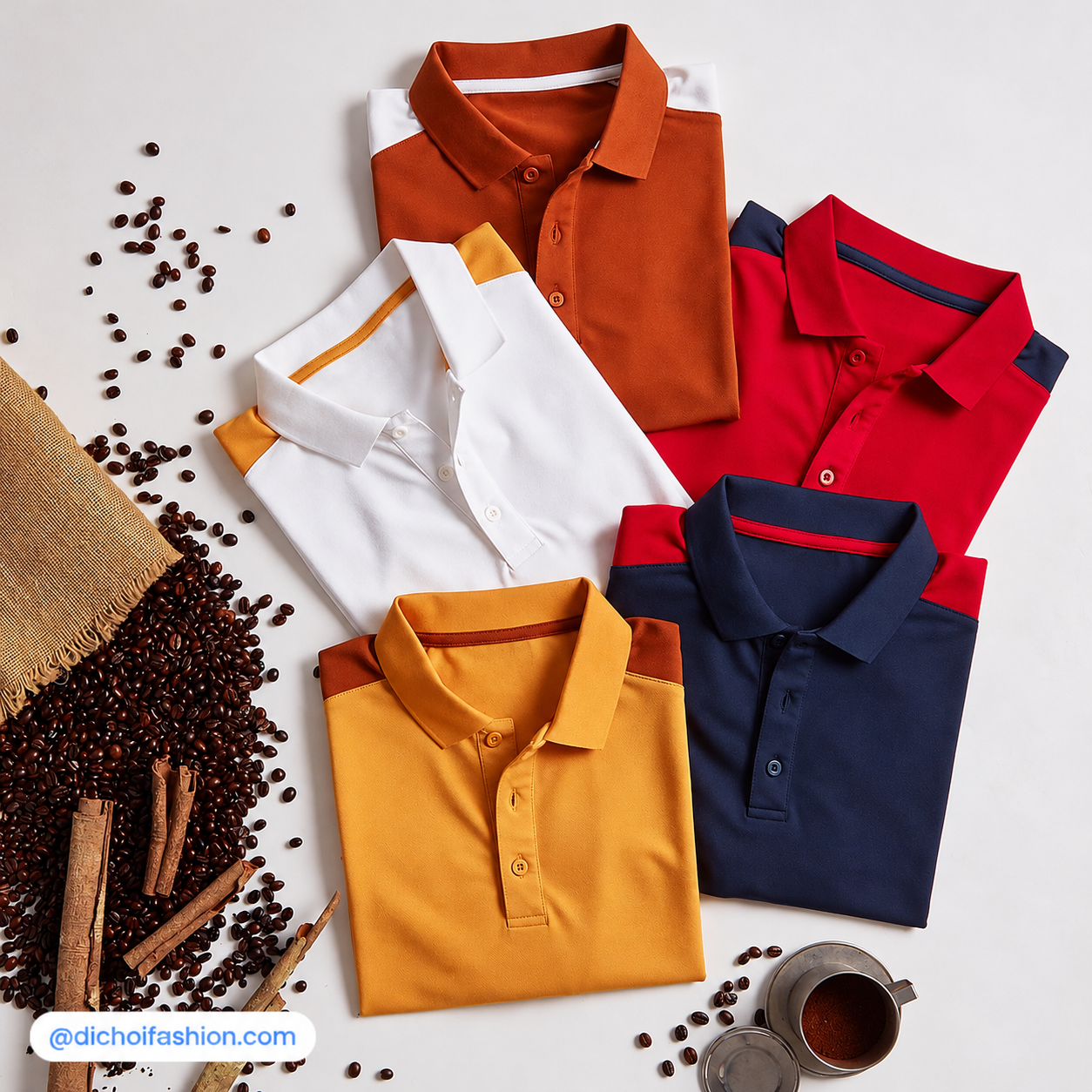
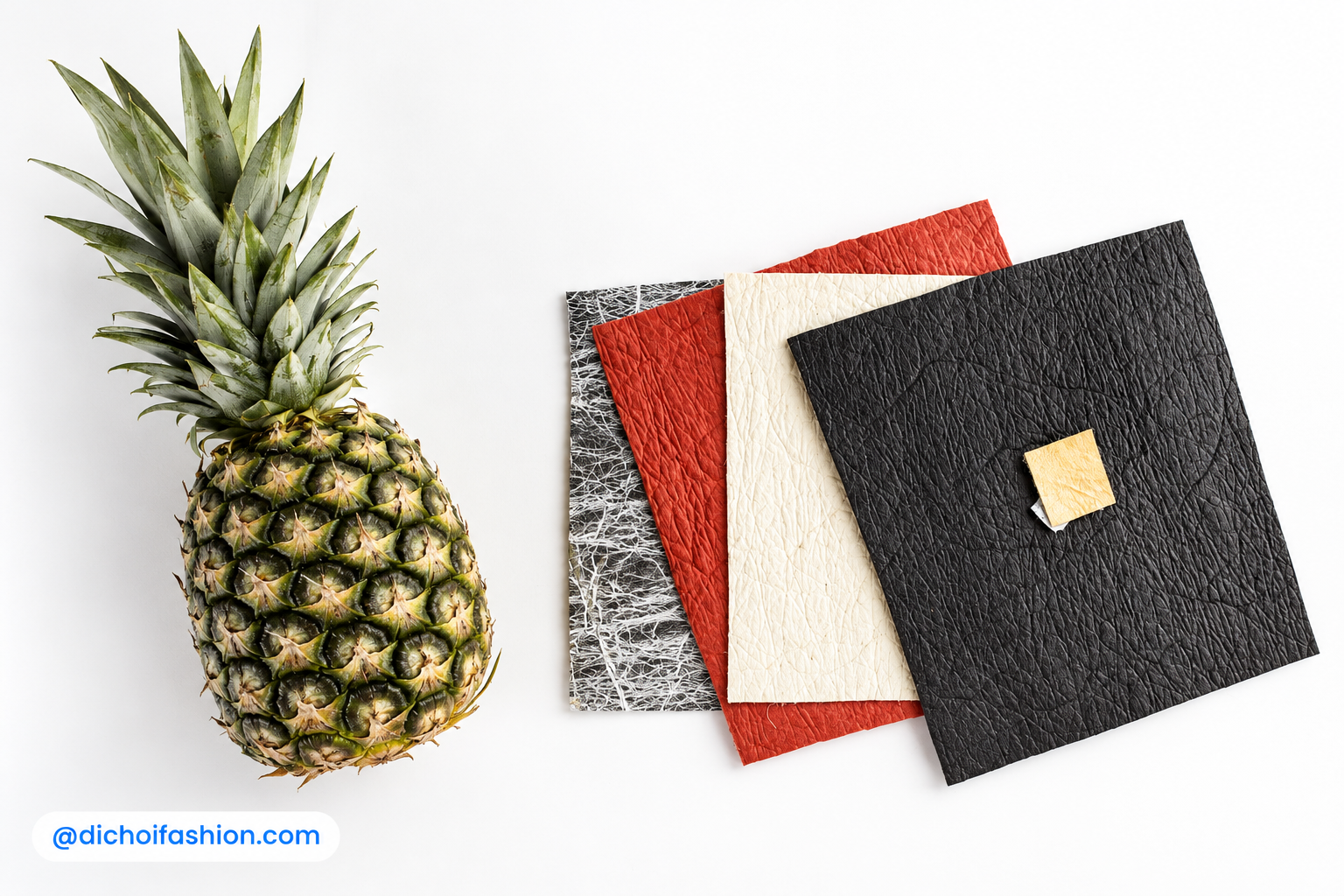
Safe for your health: Made from organic cotton, bamboo fibers, banana, pineapple, or even coffee fabrics – free from harmful chemicals and gentle on sensitive skin.
-
Comfortable & sustainable: Soft, breathable, and eco-friendly, ensuring restful sleep while reducing environmental impact.
-
A lifestyle statement: Choosing organic sleepwear is not only about personal comfort, but also about taking responsibility for a greener future.
Dichoi Fashion – Your Trusted Organic Sleepwear Manufacturer
At Dichoi Fashion, we take pride in being a professional manufacturer of loungewear and sleepwear, committed to sustainability. We offer:
-
OEM & ODM services: Customized designs, fabrics, colors, and sizes tailored to your requirements.
-
Eco-friendly materials: 100% Organic Cotton, Bamboo Biocell, pineapple/banana/coffee fabrics, plus coconut and wooden buttons.
-
Export-ready standards: High-quality production, reliable delivery, and compliance with international standards.

Small Choice, Big Impact
Your sleepwear is not just clothing – it’s a decision that affects both your health and the Earth. With Dichoi Fashion, you gain not only a comfortable, stylish product but also contribute to a sustainable future.

"A golf shirt is not just a shirt – it reflects your style, your focus and your respect for the game and your fellow players."
– Shared by one of our long-time customers at Dichoi.
When it comes to selecting fabric, price is never our first concern.
We focus on the real experience on the golf course — because sometimes, the difference between a perfect swing and a missed shot lies in something as subtle as how the shirt feels when you move.
Over the years, Dichoi Fashion has produced thousands of golf shirts for major local golf courses in Vietnam, as well as exported to the US, Europe and beyond. After countless rounds of fabric testing, fitting adjustments and sample printing, here are the three fabrics we’ve found to be most suitable for the climate, playing style and aesthetic preferences of today’s golfers.

- Poly-Spandex – 4-Way Stretch That Moves with You
Many golfers try it on and immediately laugh in relief:
"This shirt swings so well — I’m not afraid of tearing anything anymore!"
That’s thanks to the smooth 4-way stretch, a result of blending polyester with spandex. The fabric moves with the body, making it ideal for slim-fit or active-fit designs, especially those with a sportier, younger look.
This fabric is also:
- Lightweight and soft
- Quick to dry
- Wrinkle-resistant
- Microfiber Dry-Tech – For Midday Heat and Heavy Play
In Vietnam, golf sessions often start at 6–7 AM and can last until noon in 37–38°C heat. A shirt that holds sweat or heat can ruin the entire experience.
That’s why microfiber polyester with Dry-Tech treatment is our go-to for tournament kits, uniforms and golf tour programs. The surface is engineered to:
- Absorb sweat quickly
- Keep the skin dry and fresh
- Dry fast after washing - ideal for busy travel schedules
- Jacquard Pique – Structured and Elegant for the Classic Golfer
Not everyone prefers light, clingy fabrics. Many older or long-time golfers prefer something with structure — firm collars, slightly thicker sleeves and a more formal shape.
Jacquard Pique delivers on that:
- Textured weave gives a premium, stable feel
- Breathable thanks to the fabric's surface design
- Strong collar that keeps its form all day
We once crafted a zip-collar version for a golf course in the highlands — the fit turned out beautifully and suited the cool climate perfectly.
So, Which Fabric Should You Choose?
If you value flexibility and a dynamic fit - go for Poly-Spandex.
If you prioritize breathability, lightness and mobility - try Microfiber Dry-Tech.
If you’re into structured silhouettes and a more refined, timeless look -choose Jacquard Pique.
Each fabric has its unique strengths. At Dichoi, we’re happy to send out swatches so you can feel the difference before moving forward with your design.
A Note from Dichoi
We’re not just a garment supplier. We’re a team that:
- Helps golf teams and clubs present a united, professional look
- Supports local sports brands to develop competitive apparel lines
- Partners with golf courses from grand opening to annual championship seasons
If you’re looking for someone who listens to every detail and helps bring your ideas to life - we’re ready to support you from A to Z.
Dichoi Fashion - Elevating golf apparel from Vietnam to the world.

In today's world, fashion is more than just style-it's a statement of responsibility. At **Dichoi Fashion Co., Ltd**, we believe that creating beautiful apparel goes hand in hand with protecting our planet and empowering people. Based in Ho Chi Minh City, Vietnam, we're proud to be part of the global movement toward sustainable fashion. Let's explore what sustainable fashion means, how we contribute as a manufacturer, and why it matters to you our valued clients.
What is Sustainable Fashion?

Consumer preferences are shifting from traditional denim to products that offer greater flexibility, sustainability and customization.

Vietnam now ranks among the top 3 denim-exporting countries to the U.S., Europe, and Japan.

Increasing market demand: Consumers are increasingly interested in environmentally friendly and health-conscious products.

As we step into Spring/Summer 2025, fashion continues its dynamic evolution, drawing inspiration from heritage craftsmanship to modern minimalism. Here are the key trends shaping the new season – trends that not only dominate international runways but are also influencing Vietnam’s vibrant manufacturing scene.


